

You’ve seen the listing. “Prime 50×100 plot in Kimuka Ngong” by Wilper Ventures Ltd, ready title deed, tarmac road, electricity, water. Price: KSh 850,000. Call now.”
Your heart speeds up a little. You start doing mental calculations. You imagine the house. Maybe a gate with your initials on it in that curly iron font. A lawn where your children can play. A dog named something presidential like Churchill or Uhuru.
Then comes the question that stops the dream in its tracks: What can I actually build on this thing?
You’re not alone. This is the question every first-time buyer in Kenya asks, and almost nobody answers properly. Today, we’re going to fix that — with honesty, with numbers, and with just enough humour to make sure you stay awake until the end.
First — Measurement.
A 50×100 plot means 50 feet wide by 100 feet deep. In metres, that’s approximately 15 metres by 30 metres, giving you a total area of roughly 464 square metres, or just over one-tenth of an acre.
This is also commonly called a 1/8 acre plot in Kenyan property listings, though the actual conversion is closer to 1/9.4 of an acre. When a developer says 1/8 acre, they’re being generous with the rounding. You’ve been warned.
Now, here’s what a lot of buyers don’t factor in before they start sketching dream homes on serviettes: the entire 464 square metres is not yours to build on.
County setback regulations in most Kenyan jurisdictions require you to leave space at the front, back, and sides of your plot. The exact figures vary by county and zoning, but as a general guide, you’re typically working with a buildable footprint of around 200–250 square metres once setbacks are observed. This is still very respectable land, but it means your building needs to be thoughtful, not sprawling.
So What Can You Actually Build? Let’s Go Through the Options.
Option 1: The Family Home
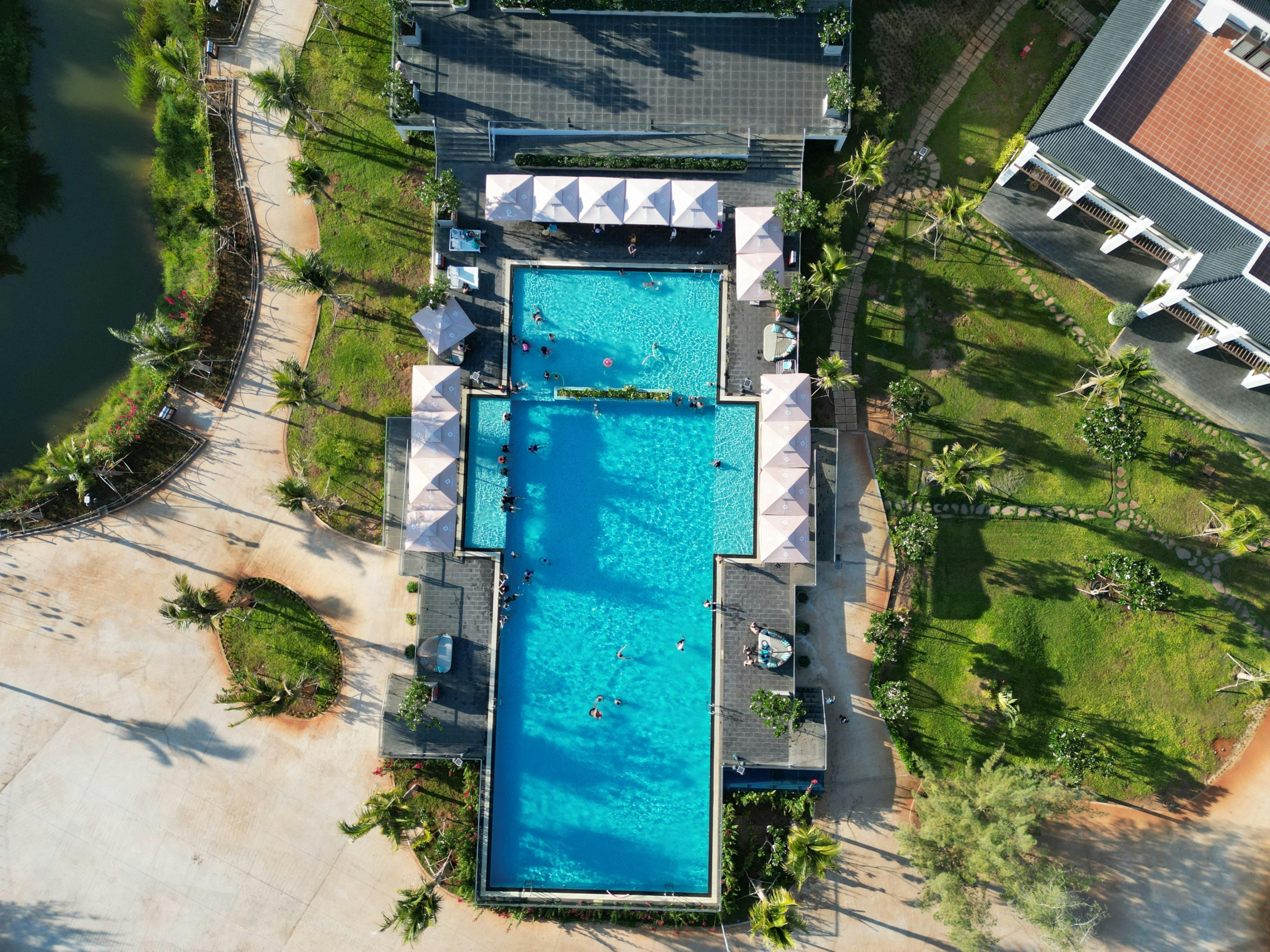
Yes, you can absolutely build a decent family home on a 50×100 plot — and not some cramped, apologetic structure either. A well-designed 3-bedroom bungalow fits comfortably within the footprint, with room for a sitting room, kitchen, two bathrooms, and a small outdoor area.
If you want to go vertical, a 2-storey maisonette lets you extract more from the same footprint. You could have 3 to 4 bedrooms, a spacious living area, a domestic staff quarter (DSQ), and still have space for a small garden and parking.
This is the option for the person who is done renting — the one who has looked at their landlord one too many times and decided that enough is enough, and that their money deserves to work for them from now on.
What it costs to build (rough guide): A decent 3-bedroom bungalow with good finishes will run you approximately KSh 2.5 million to KSh 4 million, depending on materials, location, and whether your fundis are the kind who show up on Mondays. A 2-storey maisonette can run KSh 4.5 million to KSh 7 million.
Factor in architect fees (approximately 5–10% of construction cost), structural engineer, and county approval fees. These are not optional — they are the difference between a home and a liability.
Option 2: Rental Units
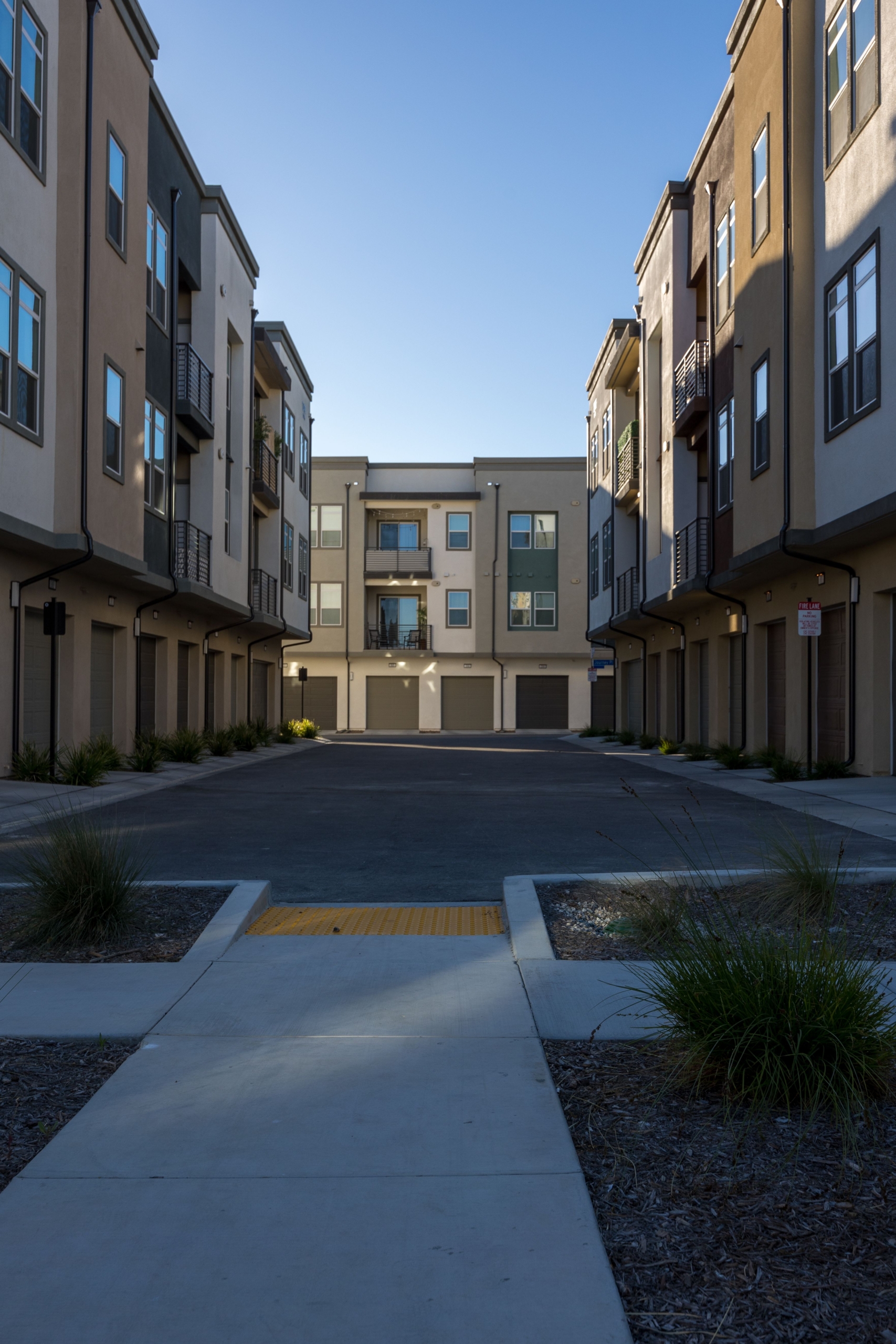
Here’s where it gets interesting for the investor who is less interested in living on the plot and more interested in making money from it.
A 50×100 plot can accommodate a rental development that generates monthly income while your asset appreciates. The most common formats:
Bedsitters / Studio Units: You can fit a block of 6 to 10 bedsitters on a 50×100 plot, depending on the design and whether you go single or double storey. In a town like Juja, Ruiru, or Kitengela, each bedsitter can rent for KSh 5,000 to KSh 10,000 per month. Run the numbers: 8 bedsitters at KSh 7,000 each is KSh 56,000 per month. That is KSh 672,000 per year from a plot you bought for KSh 850,000. You’ve almost recovered your land cost in rental income alone within two years — before we even talk about what the land itself is worth by then.
One-Bedroom Apartments: If you’re in a slightly more established area with tenants who earn a bit more — think young working professionals — a block of 4 one-bedroom apartments on two floors is achievable. Rents in satellite towns for a decent one-bedroom range from KSh 12,000 to KSh 25,000 depending on finishes and location.
DSQ Units: Some buyers build their own home but add one or two DSQ units at the back of the plot to rent out. The rental income offsets the mortgage or construction loan repayments. Clever? Very. Underutilised? Also very.
Option 3: Commercial Development.

If your plot is on or near a busy road or in a developing commercial zone, you might want to reconsider putting a house on it altogether.
A well-placed 50×100 plot in a commercial corridor can support a row of shops, a small office block, or a mixed-use development (shops on the ground floor, residential above). In satellite towns with growing populations and not enough commercial space to serve them, a row of three to four shops can generate KSh 20,000 to KSh 60,000 per month depending on the location and what services the community needs.
Before you pursue this route, check the zoning on your title deed and the local development plan. Not every 50×100 plot is zoned for commercial use, and building commercial on a residential zone without approvals is the kind of decision that ends with demolition notices and regret.
Option 4: Develop in Phases
Nobody said you have to build everything at once. In fact, some of Kenya’s best real estate investors are masters of the phased approach.
Phase 1: Buy the plot. Secure the title. Fence it. Put up a small caretaker unit if the area warrants it.
Phase 2: Save or finance. Build the first rental unit or the basic structure of your home.
Phase 3: Use income from Phase 2 to fund Phase 3. Repeat.
This approach is not a compromise — it’s a strategy. The land is appreciating while you build. You’re not borrowing everything at once. You’re not stretching your cash flow to the point of stress. You’re building at the pace of your earnings, and each phase makes the next one easier.
Common Mistakes to Avoid.
Mistake 1: Building without county-approved plans. We understand the urge to save the architect fees. We really do. But
unapproved structures can be flagged, fined, or demolished. The county is not sentimental about this. Get your plans
approved.
Mistake 2: Underestimating construction costs. That quote your cousin’s fundi gave you? Add 20–30% and you’ll be closer to
reality. Material prices move. Labour disputes happen. Rain delays timelines. Budget for contingency the way you
budget for certainty.
Mistake 3: Ignoring setbacks and not consulting a surveyor. Your plot beacons tell you exactly where your boundaries are.
Some buyers discover — mid-construction — that their fence was encroaching on a neighbour or a road reserve. This
is the kind of drama that turns neighbours into enemies and projects into courtroom exhibits. Hire a licensed surveyor
before you break ground.
Mistake 4: Building what you want instead of what the market wants. If you’re building for rental income, build what tenants
in your target area are willing to pay for — not your personal aesthetic preferences. Marble countertops in a bedsitter
in Juja will not fetch marble counterpart rent. Match your finishes to your market.
The Bottom Line
A 50×100 plot is not a limitation. It’s a canvas — and the painting depends entirely on your goals, your budget, and how clearly you’ve defined what success looks like for you.
Whether you’re building your dream home, creating a rental income stream, or developing a phased investment that grows with you, a well-located 50×100 plot at the right price is one of the most versatile financial tools available to the average Kenyan.
At Wilper Ventures, we sell plots with purpose — with clean titles, in locations where development makes sense, and with the kind of informed guidance that helps you avoid the expensive mistakes that make people write bitter Facebook posts about the real estate industry.
Your 50×100 is waiting. The only question is: what will you build?


Join The Discussion