
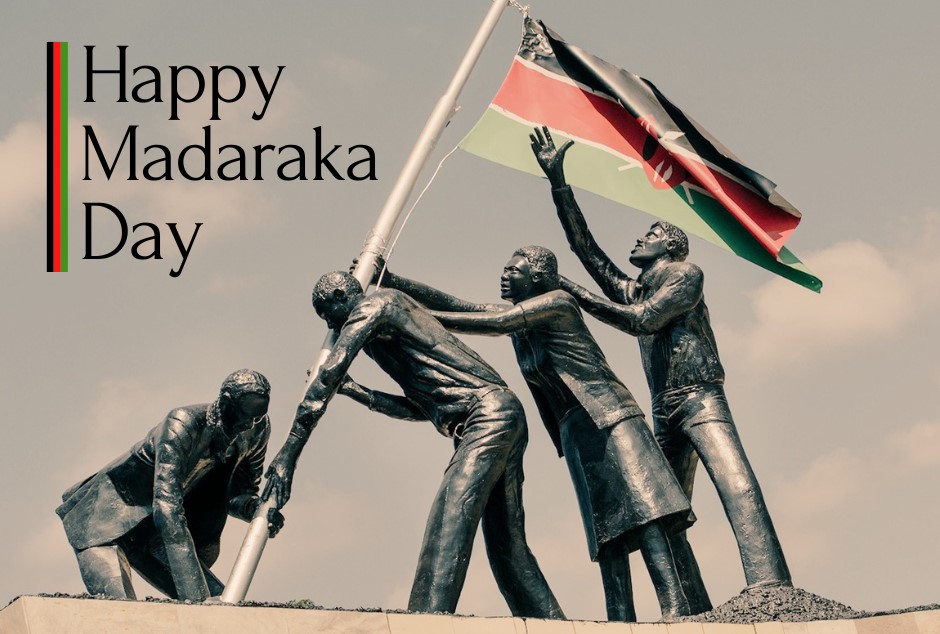
There is a kind of silence that falls over Kenya on the 1st of June – MADARAKA DAY
Not the silence of emptiness — but the silence of weight. Of memory. Of something that happened before most of us were born, that we were handed without fully understanding the cost.
In 1963, this country bled for its ground.
Not metaphorically. Not poetically. Literally.
Men disappeared into forests and did not come back. Women were detained, beaten, stripped of everything except the conviction that this soil — this specific, red Kenyan soil — was worth suffering for. Families were separated. Crops were burned. Entire communities were pushed off the land they had farmed for generations by a system that had decided, simply, that the ground beneath their feet belonged to someone else.
They fought anyway.
They sweated through years of resistance, of organizing in secret, of scratching plans in the dirt with sticks because paper was too dangerous. They bled in forests, in detention camps, in courtrooms where the verdict was always already written. They buried their friends and kept moving.
And on the 1st of June, 1963 — Madaraka — Kenya stood up.
Self-rule. The flag. The nation. Ours.
That is what this day carries. Every single year.
But Here Is What We Don’t Say at the Celebrations
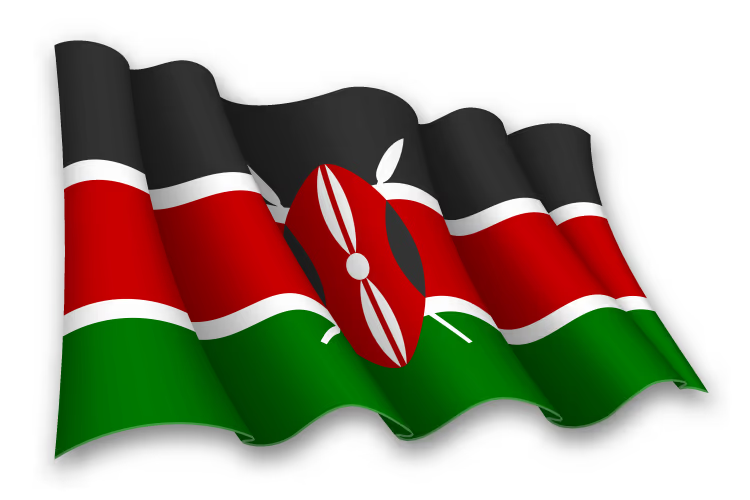
The founding generation did not fight for a flag.
They fought for what the flag represented — the right to stand on this earth and say: I belong here, and this belongs to me. The right to build something on their own terms. To plant, to harvest, to pass it down. To look their children in the eye and say: you will not start from nothing. I have already held the ground.
That was the freedom they were bleeding for.
Not a public holiday. Not a brass band. Not a presidential address from a podium.
Land. The right to own it, to work it, to root a family in it so deeply that no one — no landlord, no government, no circumstance — could uproot them.
They understood something that our generation has quietly begun to forget: that a people without land are a people who are still, in some quiet and invisible way, under someone else’s authority. You can have a passport. You can have a degree. You can have a salary deposited into your M-Pesa every month.
But if you do not own the ground you stand on, someone else controls the terms of your life.
The colonial system knew this. It is why land was always the first thing taken, and the last thing returned.
The Fight Did Not End in 1963. It Was Handed to Us.

Here is the thing about freedom — it is not a destination. It is a baton.
The generation of Kimathi, of Kenyatta, of the thousands of unnamed men and women who gave everything they had — they carried that baton as far as they could. They ran through the hardest terrain, against the heaviest resistance, and they crossed a finish line that cost them immeasurably.
Then they handed it to us.
And we got comfortable.
We moved to Nairobi. We found jobs. We started paying rent — month after month, year after year, sending money to landlords, building their wealth, reinforcing their security, while telling ourselves that one day we would do something about our own.
One day became five years. Five years became a decade. The baton sat in our hands while we convinced ourselves the timing was not right, the money was not enough, the process was too complicated.
Meanwhile — the land remained. Waiting.
The question this Madaraka Day is not whether our fathers were brave enough.
We know they were. They proved it in ways most of us will never be tested.
The question is whether we are.
Your Generation’s Fight Is Not in the Forest. It Is in the Title Deed.
You will not be asked to go into the Aberdares. You will not be asked to sacrifice what they sacrificed.
Your fight is quieter. But it is no less real.
It is the fight against complacency — against the voice that says wait, not yet, maybe next year. It is the fight against a system that makes renting feel normal and ownership feel out of reach. It is the fight to look your children in the face, the way the founding generation looked at theirs, and say: I did not leave you empty-handed. I held the ground.
That is what land ownership is, when you strip away the investment language and the market projections and the price-per-acre comparisons.
It is freedom that lasts longer than you do.
When you own land — titled, legally yours, registered in your name — you break a cycle. You stop being subject to someone else’s decision about whether you can stay. You stop starting over. You create a foundation so solid that the generation after you begins already standing on something, already rooted, already free in a way that cannot be taken back.
Your grandfather’s generation bled so that Kenya could rule itself.
You buying land is how your family rules itself.
It is the same fight. Smaller scale. Equal stakes.
The Ngong Hills Have Watched All of This
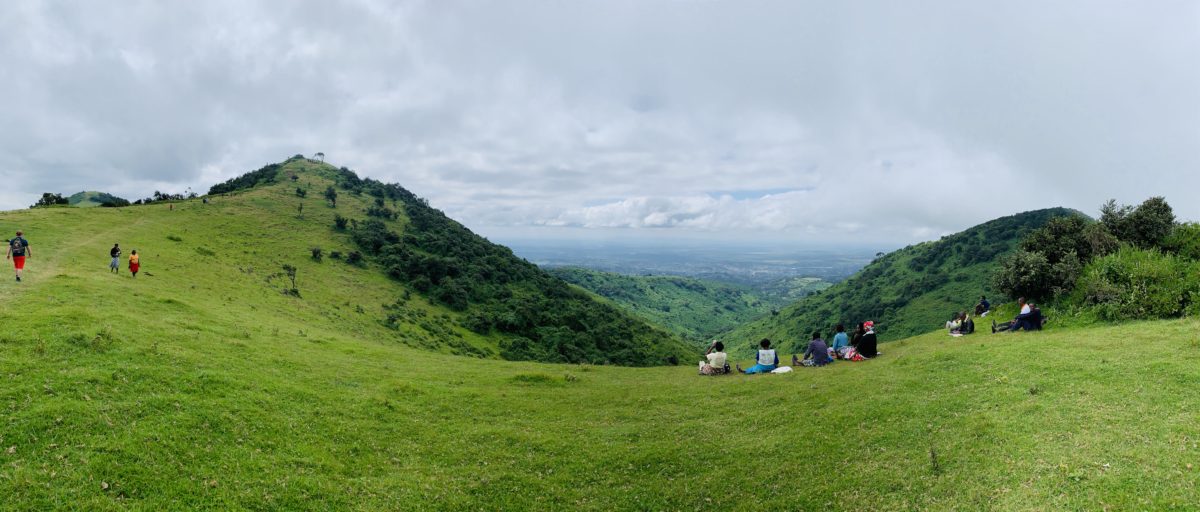
The Ngong Hills have stood over this part of Kenya for longer than any of us have been alive.
They watched the resistance. They watched independence. They watched Nairobi grow from a railway camp into a city of millions. They have watched generation after generation of Kenyans look at this land — at the clean air, the red soil, the wide horizon — and say someday.
At Wilper Ventures, we work in the corridor between Ngong and Kimuka. It is not accidental. This land carries something. It is close enough to the city that life stays connected, far enough that it still breathes. The kind of place where you can build a home and actually feel it — the quiet, the space, the sense that the ground beneath you is solid.
Our Neema Gardens developments — Phase 1 and Phase 2 — are 50×100 residential plots with ready title deeds. Not promises. Not off-plan paperwork. Title deeds. The thing the founding generation fought for. In your name.
Flexible payment plans mean this is not a conversation reserved for the wealthy. It is a conversation for anyone who has decided that this generation — their generation — will not keep postponing the freedom that was paid for in blood and sweat before they were born.
This Is Your Madaraka
June 1st, 1963, was Kenya’s Madaraka.
June 1st, 2026, can be yours.
Not because of the date — but because today is the day you let the weight of this history settle on you properly. Not as a burden, but as a calling. As an inheritance that demands something of you in return.
The men and women who built this nation’s freedom were not waiting for perfect conditions. They were not waiting until they had more resources, more certainty, more comfort. They moved with what they had, toward something they believed in — a Kenya where they and their children could stand on their own ground and be answerable to no one but themselves.
That Kenya is still possible. It starts with one plot. Your plot.
Book a site visit. Walk the land. Stand on it. Feel what it means to say — even just to yourself, quietly, honestly — this could be mine. This will be mine.
Then make it so.
Your fathers bled for Kenya’s land. What are you doing with yours?
Happy Madaraka Day, Kenya. May this generation finish what was started.

Join The Discussion