
A 50×100 plot is 500 square metres of titled, buildable, Kenyan land. In the hands of the right buyer, it is not just a piece of ground — it is a retirement plan, a rental income stream, a family home, a farming operation, and a generational asset all rolled into one.
In Ngong’s Kimuka area — where Wilper Ventures’ Neema Gardens plots sit along the Ngong–Suswa corridor — a 50×100 plot is even more powerful than average. The area has piped water, electricity, access roads, fertile red soil, and land values that rose 14.2% in a single quarter of 2025. The infrastructure is already in place.
Here are 10 concrete, practical options — from the simplest to the most ambitious.
Maximizing Your Investment on a 50×100 Plot
| 01 | Build Your Family Home. The most straightforward use — and still the most powerful. A well-designed 3-bedroom bungalow occupies roughly 100–150 square metres of footprint. On a 50×100 plot, that leaves you 350+ square metres for a parking bay, a perimeter wall, a kitchen garden, and outdoor living space. You are not crammed in. You have a compound. In Ngong’s cool climate, with views of the Ngong Hills as your backdrop, that distinction matters enormously. Construction costs for a decent 3-bedroom in Ngong currently range from Ksh 5 million to Ksh 15 million, depending on finishes. |

| 02 | Develop Rental Units for Monthly Income. A 50×100 plot in Kimuka gives you the footprint to build two one-bedroom units or three bedsitters comfortably, with shared parking and a small courtyard. One-bedroom units in the Ngong–Kimuka area currently rent for Ksh 8,000–15,000 per month. Two units at the lower end generate Ksh 192,000 per year in gross rental income on a plot that costs Ksh 850,000. That is a gross yield of over 22% — before any land appreciation. No unit trust or government bond comes close. |
| 03 | Do Both: Live in the Front, Rent Out the Back This is the most popular model among experienced Kenyan property investors, and a 50×100 plot makes it completely viable. Build your family home on the front 50×60 portion of the plot. Develop a self-contained bedsitter or one-bedroom unit at the back of the remaining 50×40. Your tenant pays Ksh 8,000–15,000 per month. That income offsets your construction loan repayments, or simply supplements your household income every month. You are simultaneously a homeowner and a landlord on the same piece of land. This is how the Kenyan middle class can quietly built inter-generational wealth for decades. |

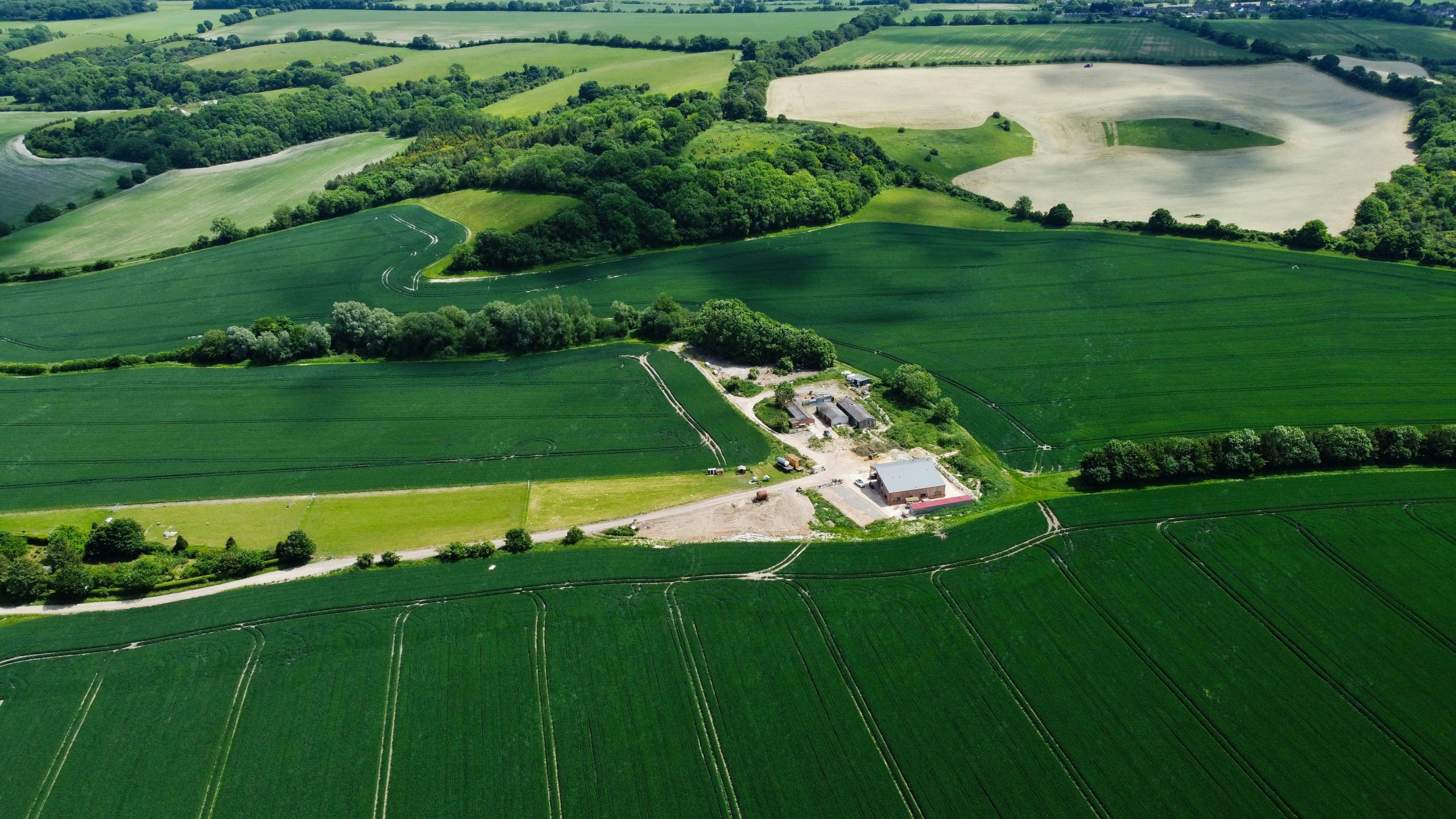
| 04 | Start a Kitchen Garden or Small Farm Kimuka’s soil is fertile red loam — documented and visible on any site visit. On an undeveloped or partially developed 50×100 plot, you can grow kale, tomatoes, spinach, sukuma wiki, French beans, and herbs. At current market prices, a well-tended kitchen garden on 200 square metres can generate Ksh 5,000–15,000 per month in surplus produce sold at Kimuka Centre or Ngong Market. This is not farming as a lifestyle choice. It is an immediate, low-capital income stream available from day one of ownership — while your construction plans are still being developed. The piped water supply in the neighbourhood makes irrigation consistent and manageable. |
| 05 | Install a Solar Energy System and Save — or Sell. Kenya’s solar energy market is maturing rapidly. A 50×100 plot gives you the roof space and ground area to install a solar panel array that covers 100% of your household energy needs — and potentially feeds excess power back to the grid under Kenya’s net metering regulations. In a country where electricity bills are a consistent household burden, energy independence on your own land has real, quantifiable financial value. For landlords with rental units on the plot, a solar installation reduces tenant utility costs and improves occupancy rates — while increasing the capital value of the property. |
| 06 | Build a Small Commercial Space As Ngong’s population and purchasing power grow along the Kimuka corridor, so does demand for local services: pharmacies, M-Pesa agents, grocery shops, hardware stores, hair salons, phone repair kiosks, and small professional offices. A 50×100 plot positioned near the Ngong–Suswa tarmac road gives you the footprint to develop a ground-floor commercial unit of 40–60 square metres, with residential space above. Commercial rents for such units in fast-growing satellite towns range from Ksh 15,000 to Ksh 30,000 per month. For a buyer with a business vision and an eye on Ngong’s growth trajectory, a mixed-use development on a 50×100 plot can become a fully self-funding asset within a few years of operation. |

| 07 | Build a Guesthouse or Airbnb Ngong’s cooler climate, proximity to Nairobi, and access to the Ngong Hills Forest Reserve make it an increasingly attractive weekend destination for urban Nairobians. A well-finished 2-bedroom guesthouse on a 50×100 plot — with a garden, a boma-style outdoor sitting area, and reliable water and power — can command Ksh 5,000–8,000 per night on short-term rental platforms. Even at 40% occupancy, that is Ksh 72,000–115,000 per month in gross revenue. The short-term rental market in Nairobi’s satellite towns is underserved, and a thoughtfully designed property in Ngong can fill that gap profitably. |
| 08 | Plant a Tree Nursery or Floriculture Business. Ornamental plants, tree seedlings, and cut flowers are high-demand, low-space businesses. Kenya’s florist and landscaping market — especially in Nairobi’s expanding suburbs — constantly needs supply. A 50×100 plot can accommodate a serious nursery operation producing plants for retail sale, landscape contractors, and institutional buyers. Startup capital is modest (Ksh 50,000–200,000 to get a nursery operational), the land requires no construction, and the income can begin within months of planting. For buyers who want to activate the land immediately while longer-term development plans take shape, a nursery is one of the highest-margin options per square metre. |

| 09 | Use It as Collateral to Access Credit A titled 50×100 plot in a fast-appreciating area is a bankable asset. Once your freehold title deed is in your name — transferable within 90 days through Wilper Ventures — you can approach commercial banks, Saccos, and microfinance institutions to access development loans, business capital, or mortgage financing using your land as security. In Kenya’s credit market, titled land is among the most accepted forms of collateral. Many buyers use their plot to unlock financing for construction, education, or business expansion — turning a piece of land into a living financial tool. The Ksh 850,000 entry price at Neema Gardens Phase 2 is, in effect, the price of a credit facility and an appreciating asset simultaneously. |
| 10 | Land Bank and Let Appreciation Do the Work. Not every buyer needs to build tomorrow. Land banking — buying well-located titled land and holding it while infrastructure and demand drive appreciation — is one of the most consistently proven strategies in Kenyan real estate. In Ngong’s Kimuka area, the case is unusually strong. Land prices rose 14.2% in a single quarter of 2025. The proposed Greater Southern Bypass runs through the Ngong–Suswa corridor. Population growth in Nairobi’s satellite towns is outpacing supply. Buyers who secure a plot at Ksh 850,000 today and hold for five to seven years — backed by a ready freehold title that makes the asset fully transferable at any time — are positioned for substantial capital gains without lifting a single brick. |
Whether you build immediately or hold for five years, the plot is working for you from the day the title deed is in your name.
Wilper Ventures Limited — Where Land Becomes a Legacy


Join The Discussion