
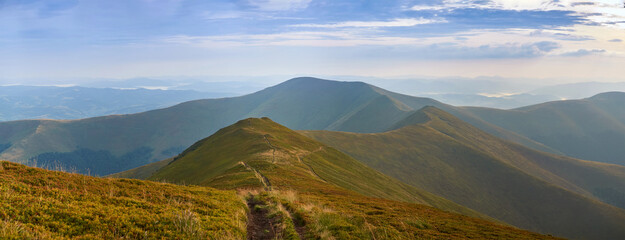
Etymologically, the word “Ngong” is a Maasai term derived from “enkong’u,” meaning “the eye” and “eye of water,” or, by extension, a spring of water.
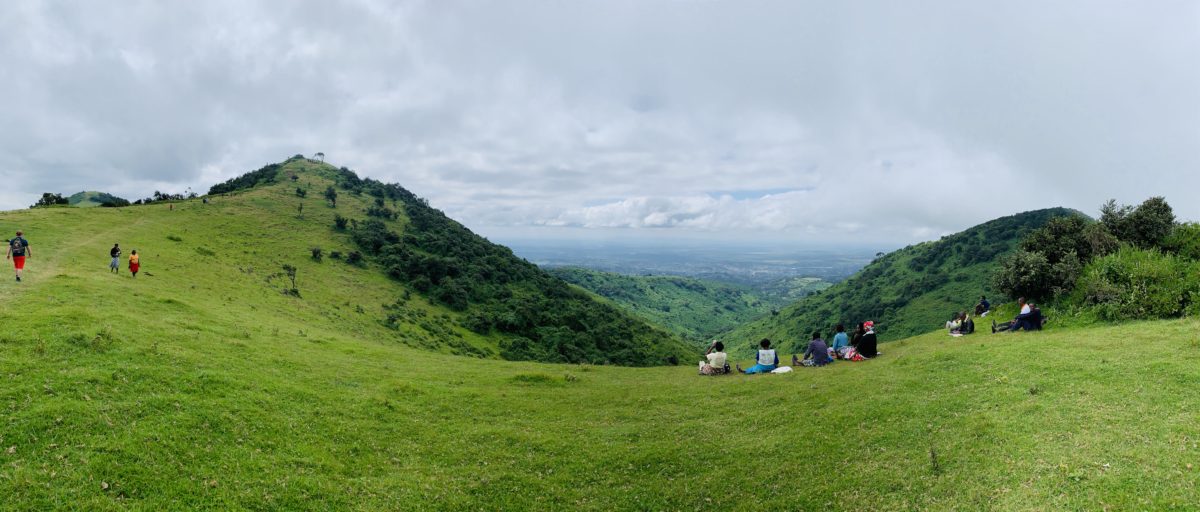
The Ngong Hills (known to the Maasai as ‘Oloolaiser’) from the eastside slopes, overlook the Nairobi National Park game reserve and, off to the north, the city of Nairobi. The Ngong Hills, from their western slopes, overlook the Great Rift Valley, dropping over 4,000 feet below, where nomadic Maasai live.
Demographics.
As per the 2019 Census, the Municipality of Ngong has a total population of 344,726 people; male population at 169,437 and the female population at 175,287.

Why is Ngong growing so fast?
Ngong’ is mainly an administrative and commercial town, while Ongata Rongai and Kiserian are service towns. All these towns serve as a major residential hub for the Nairobi Metropolitan region with a thriving real estate economy. The main economic sectors within the municipality include commerce, real estate, hospitality, transportation, and light industrial activities. However, agriculture and livestock remain a major sector of the local economy. These sectors are the main catalysts of the economic growth in the Municipality.
Over the last decade, Ngong has undergone rapid urban development largely driven by its proximity to Nairobi and a rising demand for improved infrastructure, residential, and commercial space.
The towns’ vibrant days, which are Wednesdays and Saturdays, still attract traders from neighboring areas, but the business landscape is expanding beyond tradition.
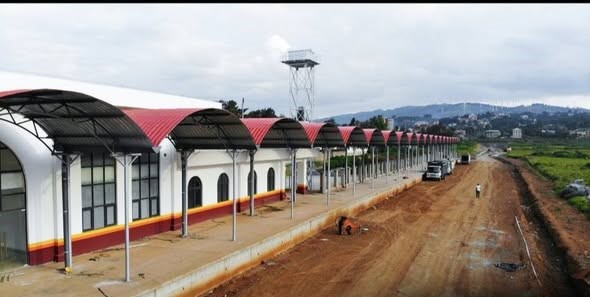
The newly built Ngong Market, officially opened two years ago, has further boosted trade by offering traders a modern, secure, and organized space to conduct business. Previously, traders operated in open-air stalls, exposed to harsh weather conditions and lacking security.
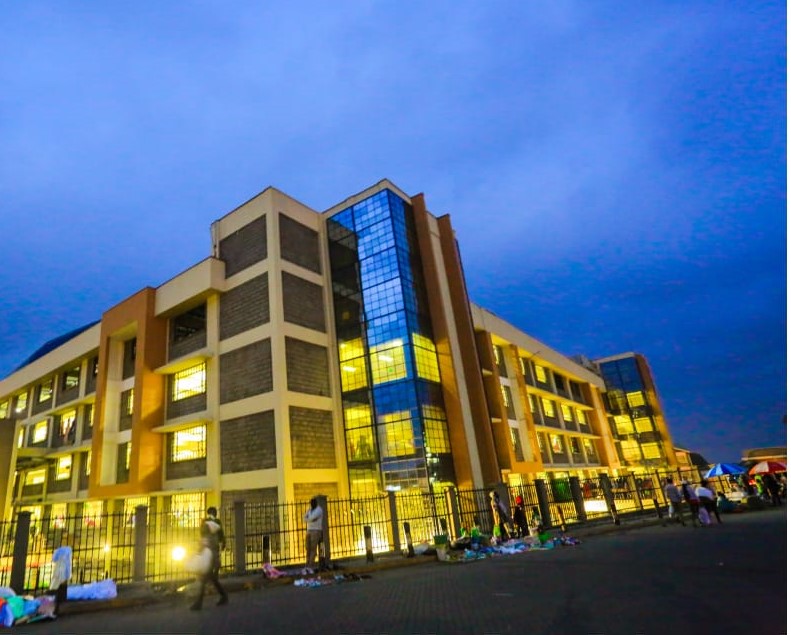
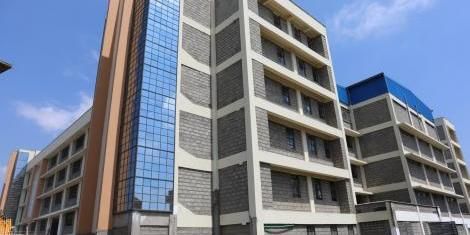
Today, the modern multi-storey market facility houses many traders in well-organized stalls, complete with lighting, sanitation, water supply, and security. The Municipality presents budding opportunities for heritage conservation and tourism development, considering the wind farm with thirty wind turbines installed across the Ngong Hills, traditional colonial-style houses, and is viewed as a water tower in this region. This makes it both a residential hub and an industrial town for the cottage industry as well as light agro-industrial activities.
Good news to investors.
Ngong‘s rapid growth indicates potential for profitable investment, particularly in real estate, due to appreciating land values, increased demand for housing, and a growing local economy. Key factors driving this growth include:
Infrastructure development: Major Road projects, such as the Ngong-Suswa Road and the expansion of Ngong Road, and the upcoming Riruta-Ngong commuter railway, will significantly improve connectivity to Nairobi and other regions, attracting new residents and businesses.
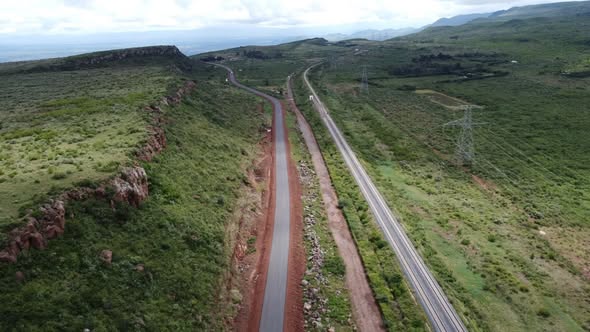
Growing population and urbanization: As an accessible and relatively affordable satellite town, Ngong is attracting middle-class residents from Nairobi, creating high demand for housing.
Growing economy: The area is seeing a rise in commercial developments, including malls and retail spaces, reducing reliance on services in Nairobi.
Affordability: Compared to pricier Nairobi suburbs, Ngong offers more affordable property with strong appreciation potential.
For investors, this means several potential opportunities:
Real estate investment: This is the most frequently cited opportunity, with significant appreciation in land prices over recent years. Along Ngong-Suswa Road, specifically a one-mile radius of Kimuka, real estate companies are mushrooming by the day, an indicator of exponential growth.
Commercial property: The expanding economy and growing population create a market for commercial rentals and business ventures.
Tourism and hospitality: The scenic Ngong Hills and nearby natural attractions make it suitable for holiday homes and hospitality facilities, and nature hikes.


Join The Discussion