

The search for the perfect place to live in Nairobi has become a tale of two cities. On one side, you have the high-octane energy and skyscraper density of areas like Kilimani and Lavington. On the other hand, you have the wide-open spaces and massive investment potential of the Ngong corridor.
If you’re watching the property market, you’ll notice a clear trend: the flow of people and wealth is heading southwest. We’re breaking down the three forces—the Karen Factor, the infrastructure mega-projects, and the Kilimani/Lavington Exodus—that are turning Ngong, and particularly the Kimuka area, into the most exciting investment opportunity in the Nairobi Metropolitan Area.
1. The Kilimani & Lavington “Density Shock”
Kilimani and Lavington were once the definition of posh, spacious residential living. Today, the landscape is unrecognizable. These prime estates have become saturated, turning into bustling, mixed-use districts defined by vertical growth, with new apartments soaring up to 17 floors. Land is scarce and expensive, leading to chronic traffic and lifestyle fatigue.
This “Density Shock” is the primary “push” factor. The people who valued space, tranquility, and detached family homes are leading a Great Escape. They are not just looking for a cheaper house; they are actively seeking a higher quality of life and better land value leverage, which is no longer possible in the inner city.
For these families, the shift must be towards the west—to Ngong—as they seek secure, open neighborhoods, avoiding the often densely developed or constrained areas to the east of Nairobi.
2. The Karen Factor: The Premium Price Anchor.
The Impact of the Karen Neighborhood on Ngong’s Growth

Ngong’s property boom is inextricably linked to its prestigious neighbor. Karen has long been Nairobi’s “wealth vault,” a stable, high-end neighborhood defined by exclusivity and luxury.
The Karen Factor works in two ways:
- The Commercial Spillover: Karen has evolved from being purely residential to a thriving commercial hub, anchored by major retail centers like The Hub, Galleria, and The Waterfront Mall. These high-end amenities confirm that this southwestern corridor has a strong, affluent consumer base. As the population expands outward into Ngong, commercial and office demand is spilling over, making Ngong increasingly attractive to businesses. This transition is rapidly making Ngong home to many workers who need localized office space and retail services.
- The Price Benchmark: Land in prime Karen locations can cost upwards of KES 70M per acre. The average land price in Ngong is currently much lower. This massive gap is the opportunity. As Ngong improves its connectivity, its price must inevitably rise to close the historical discount relative to Karen, making it severely undervalued right now. Karen sets the ceiling; Ngong offers the maximum upside.
3. Infrastructure: Making Ngong the New Commuter Hub.
The biggest historical hurdle for Ngong was the commute. Monumental government investment has erased this problem, integrating Ngong seamlessly into the city’s economic life:
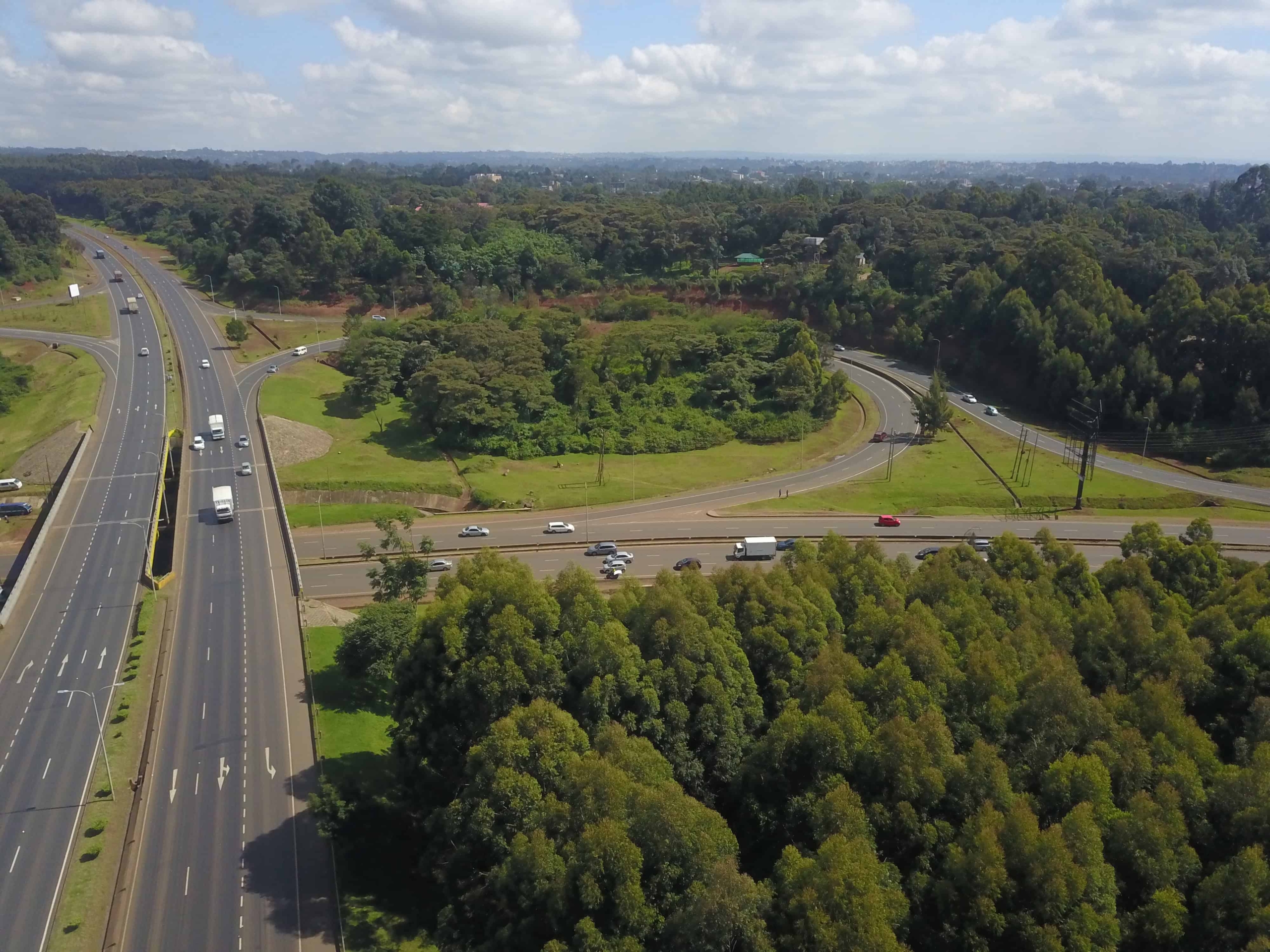
- Road Dualling: The ongoing dualling of Ngong Road is cutting down commute times, which is a critical factor for city workers migrating from Kilimani.
- The Southern Bypass: The functional Southern Bypass has revolutionized regional accessibility, allowing residents to bypass inner-city congestion and connect swiftly to major transport corridors.
- The SGR Rail Link: The operational Standard Gauge Railway (SGR) commuter line provides a reliable, traffic-free alternative for daily travel into Nairobi, easing the movement of the growing working population.
This synergy of connectivity means that moving to Ngong is no longer a sacrifice of convenience but a pragmatic choice for those seeking superior living standards.
4. Kimuka: Your Final Boarding Call for Maximum Growth.

While Ngong Town and Matasia are seeing steady growth, the area offering the highest leverage is Kimuka, further along the Ngong-Suswa Road.
Kimuka is set for a massive and imminent revaluation, driven by one factor: the Ngong-Suswa Road, which is reported to be 100% complete.
Industry data shows that major road projects increase surrounding property values by a minimum of 10% to 35% within the first three years of operation. For Kimuka, the low entry price point means the leverage is even higher:
- Affordable Entry: You can acquire developable 1/8 acre plots in Kimuka starting from as low as KES 1.2M to KES 2.5 million.
- High-Leverage Forecast: Experts project that entry prices in Kimuka could double, possibly triple, within 12 to 36 months after the final infrastructure settlement.
For investors seeking maximum capital appreciation, this period—before the Ngong-Suswa road is fully operational—is your final window to buy at today’s prices.
The Bottom Line: Timing is Everything
The “Karen Factor” and the “Kilimani Exodus” provide the relentless pressure, but the infrastructure—Ngong Road dualling, the Southern Bypass, and the imminent Ngong-Suswa road—is the catalyst.
Ngong offers the rare chance to secure a spacious lifestyle (what Kilimani and Lavington residents are seeking) while capitalizing on a predictable, government-backed price surge. The early investor is rewarded handsomely by securing high-leverage land now, before the market corrects itself post-completion. Don’t miss this final boarding call for the Ngong Renaissance.




Join The Discussion